JARI
곧 다른 글이 이 자리에 표시됩니다.
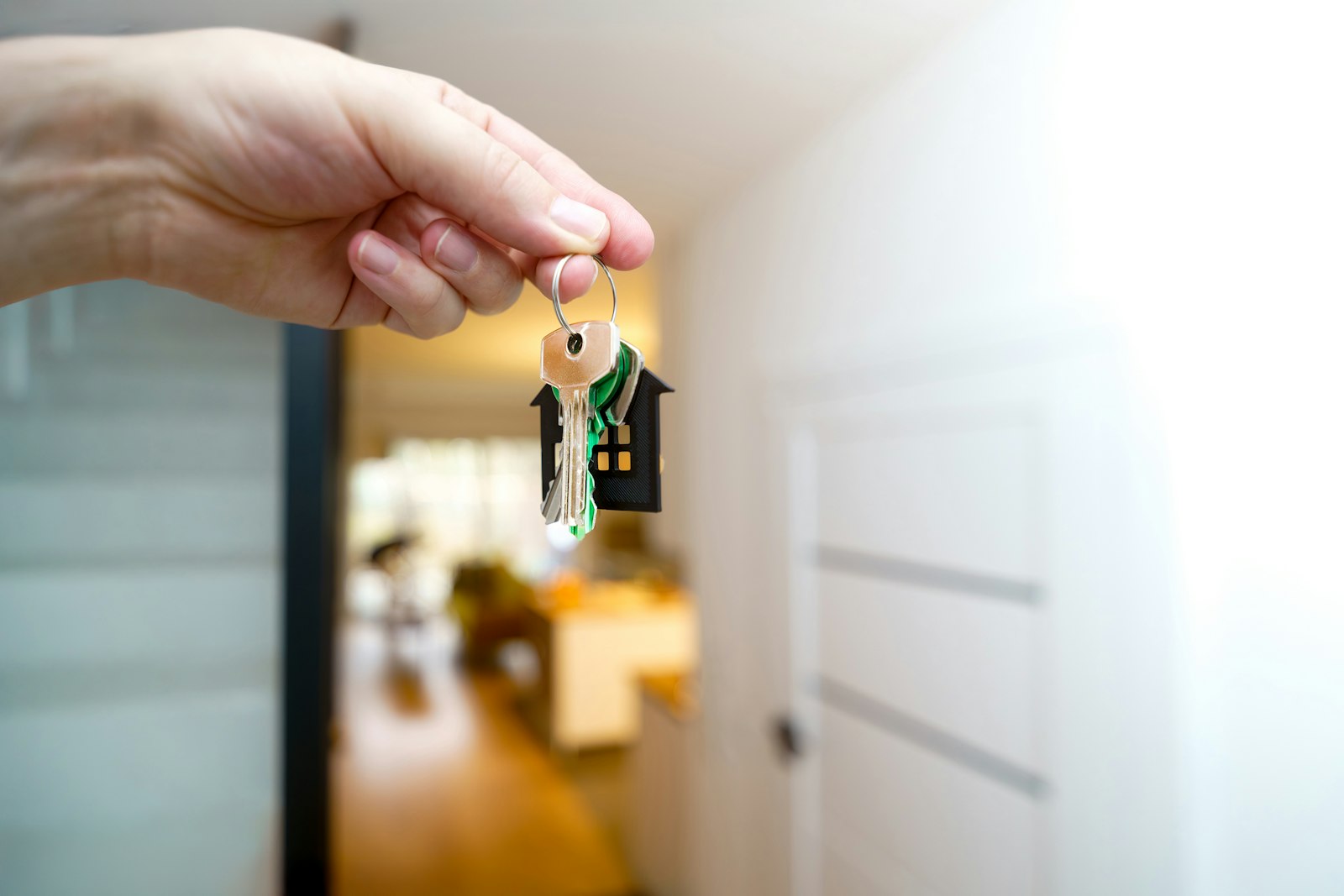
In France, part of your rent can be covered each month by the CAF (Caisse d'allocations familiales, the family benefits office): that's the housing benefit. For many Koreans — students, working-holiday makers, employees, families — it can mean anywhere from a few dozen to over €200 a month. This guide explains who qualifies, how to apply, and an important rule change for students that took effect on 1 July 2026. (Updated June 2026.)
JARI tip: if the APL application or CAF paperwork is confusing, find an admin-help pro (Korean-speaking) via Pro Services, or ask in the Community.
The CAF pays a monthly benefit to lower the rent on your main residence (résidence principale) in France. It comes in three forms — APL, ALS, ALF — but you don't have to choose: you file a single application, and the CAF automatically determines which one applies. The benefit is paid either directly to the landlord (deducted from your rent) or into your account.
You don't pick: one application on caf.fr is enough, and the CAF applies the right one.
This is the most important point if you're a Korean student.
Since 1 July 2026, a student who is a national of a country outside the EU / EEA / Switzerland (so Korea) must hold a needs-based scholarship (bourse sur critères sociaux) to receive APL, ALS or ALF. Without a French scholarship, there is no longer a right to housing benefit — except for the cases below.
Still eligible without a scholarship: students with a professional activity (employed or self-employed / auto-entrepreneur), those on an apprenticeship (apprentissage) or professionalization contract, and refugees, stateless persons, and spouses of non-EU students. EU/EEA/Swiss students and scholarship holders (any nationality) are not affected. In short: a non-scholarship Korean student who works alongside their studies can keep receiving the aid; with no job and no scholarship, there is in principle no longer a right. Check your situation on caf.fr before applying.
Beyond the student case, to qualify you generally must:
No French RIB yet? Open an account first (see our "bank account" guide): without a French IBAN, the CAF can't pay you.
It's all online; in most cases there's no paper file to mail.
Expect on average 4 to 8 weeks of processing for a first application, especially for a foreign student. The first month in the home is never paid (move-in month); payment starts the following month.
The benefit is not retroactive: your rights start from the month you apply, not from when you moved in. Every month of delay is a month lost. Apply as soon as you move in.
The amount depends on your rent, the zone (Paris is pricier, so the aid is higher there) and your resources. For a student, the aid averages €100–280 per month (2026). The caf.fr simulator gives an estimate in a few minutes — do it before signing a lease, it helps you choose a place. These amounts are indicative (June 2026) and the calculation is automatically reassessed every 3 months based on your recent income.
I just arrived — can I apply without a social security number? Yes, you can start the process and enter your number later. But you already need a valid residence permit and a French RIB.
I'm in a flatshare — am I eligible? Yes: each flatmate can file their own application for their share of the rent, as long as their name is on the lease.
I'm on a working-holiday visa (PVT) — does the student restriction apply to me? No, the 1 July 2026 restriction targets students. If you work, you fall under the general conditions (residence permit, resources, main residence).
Is the benefit paid to me or to my landlord? It depends: often directly to the landlord (deducted from the rent), sometimes into your account. The CAF tells you which.