
JARI
곧 다른 글이 이 자리에 표시됩니다.

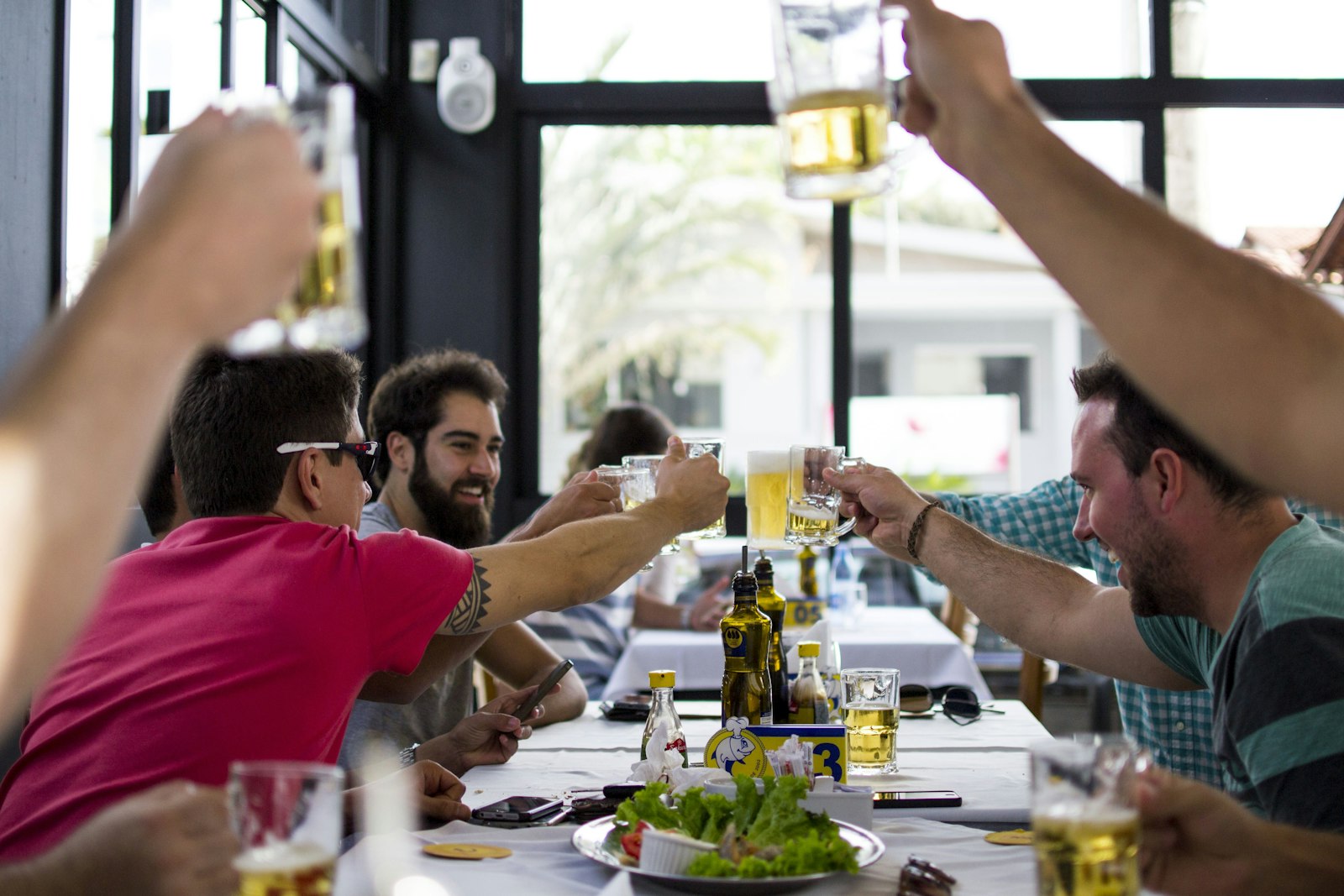
In France, relationships run a lot on invisible social codes — saying bonjour, using "vous", doing la bise at the right moment. Mastering them changes everything: you come across as polite and integrated, not as a "tourist". This guide gathers the everyday codes, from the café to the office, with the differences that often surprise Koreans. (Current in 2026.)
JARI tip: to put these codes into practice, meet people in the Community and go to events on the JARI.
This is rule number one. When you enter a shop, a bakery or an office, before asking anything, you say "Bonjour" ("Bonsoir" in the evening). Asking for directions or a product without greeting first comes across as rude. You follow with "s'il vous plaît" (please), "merci" (thank you), "au revoir" (goodbye), "bonne journée" (have a good day).
Newcomers' most common slip: forgetting "Bonjour" before speaking. Even at a counter, greet before asking your question.
French distinguishes "vous" (politeness, distance) from "tu" (familiarity) — a bit like Korean speech levels, but the rules differ. By default, you use "vous": strangers, shopkeepers, colleagues, older or senior people. You switch to "tu" only when the other person offers it — and it's usually the older or more senior person who invites it.
When in doubt, use "vous". Switching to "tu" too early can seem over-familiar or disrespectful.
Easiest approach: hold out your hand, and adjust if the other person leans in for la bise.
In France, service is included in the bill, so tipping is not mandatory. Leaving a few euros (€2-5 depending on the bill) at a restaurant or café is appreciated if you were well served, but never required. No need to calculate 10-20% as elsewhere.
Watch the paradox: you're punctual at work, but for dinner at someone's home, arriving 10-15 minutes late (le quart d'heure de politesse) is normal — arriving on time or early can put the host on the spot. When invited, bring something: wine, flowers or dessert.
Don't arrive empty-handed, and avoid talking money (salary, prices) at the table: it's a taboo subject.
Should I do la bise with colleagues? A handshake is safer at work, especially at first. Watch what others do; la bise comes with familiarity.
Are French people cold or rude? Not really: they're more reserved with strangers and more direct in discussion. Once the ice breaks, relationships are warm.
Do I have to speak French everywhere? Starting with "Bonjour, parlez-vous anglais?" in French changes everything: the effort is much appreciated, even if you then continue in English.
How much to tip? Nothing mandatory; €2-5 if you're happy, or nothing. Service is already included.
To go further, the JARI guides in the Culture cluster: